Valencia Spain Travel Guide La Tomatina 2026
Disclosure: This article contains affiliate links. Booking through our links supports SpainSoul at no extra cost to you.
Valencia Spain Travel Guide La Tomatina 2026
Valencia beats Barcelona on beaches. It beats Seville on cost. It beats both on the originality of its food culture, the futuristic spectacle of its architecture, and the fact that it hosts the world’s most gloriously absurd annual event: La Tomatina 2026 on August 26. That’s when the town of Buñol (45 minutes from Valencia) turns into a battlefield of 150,000 kilograms of overripe tomatoes. So, this guide isn’t just making a case for Valencia; it’s telling you exactly what to do once you get there.
Valencia vs Barcelona vs Seville: The Honest Comparison
Before we dive deeper, let’s just settle that eternal debate running through every Spain travel planning conversation: which city should you pick?
| Category | Valencia | Barcelona | Seville |
|---|---|---|---|
| Average hotel cost (3-star) | €80-110/night | €130-180/night | €75-100/night |
| Beach access | In the city (5km) | In the city (Barceloneta) | 1 hour to coast |
| Signature food | Paella (original) | Pa amb tomàquet, seafood | Tapas, jamón, gazpacho |
| Signature architecture | Ciudad de las Artes (Calatrava) | Sagrada Familia (Gaudí) | Real Alcázar, Giralda |
| Unique festival | Las Fallas (March), La Tomatina (August) | La Mercè (September) | Semana Santa, Feria de Abril |
| Tourist crowds | Moderate | Heavy (overtourism issues) | Moderate-Heavy (summer) |
| Overall vibe | Relaxed, local-feel | International, buzzy | Traditional, Andalusian |
Spain’s Instituto Nacional de Estadística tells us that Valencia’s tourism grew 18% in 2025 while Barcelona saw a 4% decline amid anti-tourist protests and accommodation restrictions. That’s a pretty clear signal that travelers are finally catching on to what locals have known for decades.
Honestly, Valencia wins out for first-time Spain visitors who want to see the country authentically, eat well for less money, and combine city culture with genuine beach time. Barcelona still wins for nightlife and international energy, sure. Seville, on the other hand, takes the cake for pure Andalusian soul. But if you’re forced to pick just one city in 2026, Valencia really gives you the most bang for your buck.
Why Valencia Actually Wins: The Real Reasons
The conventional travel narrative has always positioned Valencia as the third city — the “also-ran” after Barcelona and Madrid. But honestly? That narrative is seriously five years out of date. Here’s what’s *actually* different:
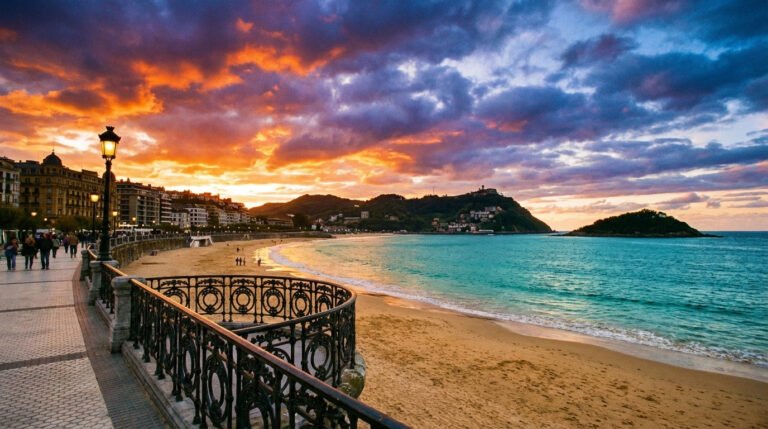
- The beach problem is solved: Barcelona’s Barceloneta beach? Beautiful, sure, but it’s chronically overcrowded. Valencia’s Playa de la Malvarrosa, though, is a fantastic 4km urban beach, just 20 minutes from the historic center by metro. It’s wide, way less crowded, and backed by a strip of amazing seafood restaurants instead of those typical tourist traps.
- Paella eaten in context: Look, you can eat paella pretty much anywhere in Spain, but you *can’t* get authentic paella valenciana anywhere but Valencia. The original version — with chicken, rabbit, green beans, white beans, and saffron — just hits different here. Why? Because it’s made by people who grew up eating it, simple as that.
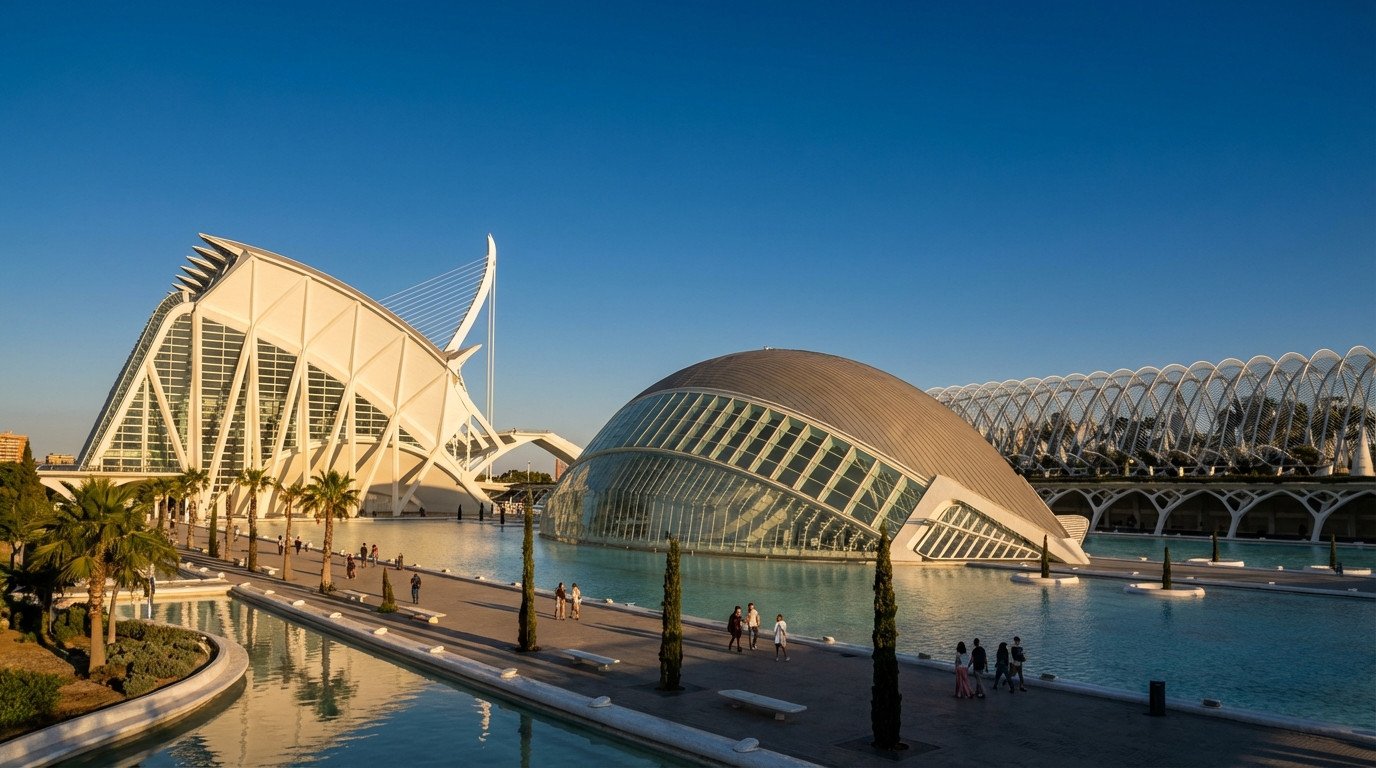
- City of Arts and Sciences: Santiago Calatrava’s futuristic complex? It’s easily one of the most visually stunning pieces of 21st-century architecture in all of Europe. You’ll find a science museum, an IMAX cinema, an opera house, and an aquarium here — all housed in buildings that honestly look like they’ve flown straight out of a sci-fi movie.
- Cost advantage: Let’s talk money. A meal at a mid-range restaurant in Valencia will run you about €15-25 per person. In Barcelona? You’re looking at €25-40 for the same. Plus, hotel costs are 30-40% lower. Over a week-long trip, those savings really add up.
What to See in Valencia: The Essential List
Ciudad de las Artes y las Ciencias
The City of Arts and Sciences is the absolute must-see centerpiece of modern Valencia. Built right on the old Turia riverbed (which they diverted after the catastrophic 1957 flood), this complex stretches across 350,000 square meters of stunning white titanium and glass. Seriously, Europe’s largest aquarium, L’Oceanogràfic, is worth a half-day visit all by itself. The Museu de les Ciències Príncep Felip? It’s extraordinary, especially for families. And you’ll want to experience the Hemisfèric IMAX at night; that’s when the building really shines, reflecting beautifully in the surrounding pool. Combined tickets cost around €36; individual entry to L’Oceanogràfic is €32.
Valencia Cathedral and the Holy Grail
Valencia Cathedral (Seu) in the historic center contains what the Catholic Church officially recognizes as the most likely candidate for the Holy Grail — a 1st-century AD agate cup held in the Capilla del Santo Cáliz. Whether you’re religious or not, the chapel itself is absolutely extraordinary, and honestly, the cathedral’s Gothic architecture ranks among the finest in Spain. Make sure you climb the El Miguelete bell tower; the panoramic views of the old city are incredible. Entry to the cathedral including the Holy Grail chapel: €8.
Mercado Central (Central Market)
Opened in 1928, Valencia’s Central Market is housed in one of the most beautiful Art Nouveau buildings in Spain — a massive, gorgeous wrought-iron and mosaic structure spanning nearly 8,000 square meters. This isn’t just a pretty building, though; it’s still a bustling working market. You’ll find 1,200 stalls selling fresh produce, incredible seafood, cured meats, cheeses, and all the ingredients that truly define Valencian cooking. My advice? Go on a weekday morning, arrive hungry, and plan to spend at least an hour soaking it all in. And seriously, the horchata stall in the southeast corner whips up the best fresh tiger nut drink you’ll taste anywhere.
El Carmen Neighborhood
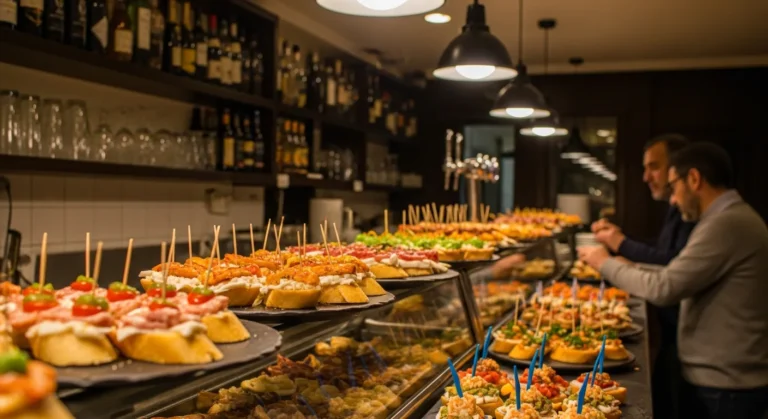
Valencia’s old city is centered on the Barrio del Carmen — a delightful tangle of medieval streets, Roman ruins, vibrant street art, and lively pintxos bars that really come alive from 8pm. The Museo de Bellas Artes (that’s the fine arts museum) boasts an excellent collection, featuring works by Velázquez, Goya, and El Greco, and guess what? Entry’s totally free. For the best free views of the old city, you absolutely have to check out the Torres de Serranos, those impressive Roman-era city gate towers.
La Tomatina 2026: Everything You Need to Know
La Tomatina takes place in Buñol, a small town 45km west of Valencia, on the last Wednesday of August. For 2026, mark your calendars: that date is August 26. Now, it’s a properly organized and ticketed event. It’s not the total free-for-all it used to be before 2013, when the local government wisely decided to cap participants at 20,000 and introduce a mandatory ticket system.
The Logistics
Tickets: Purchase through the official Buñol Town Hall website or authorized resellers. In 2025, entry cost €10-12 per person. You absolutely need to book months in advance, by the way — tickets consistently sell out by May.
So, how do you get there? Take the Cercanías commuter train from Valencia Estació del Nord straight to Buñol. The journey takes about 1 hour and costs around €3.50 each way. On Tomatina day itself, they run special trains starting from 6am. Alternatively, you can snag a spot on one of the organized tour buses from Valencia. These usually include transport, your ticket, and even shower facilities, all for €65-80 per person.
What to wear: Old clothes, the kind you’ll happily toss afterward. Goggles? Highly, *highly* recommended – trust me, you’re going to get hit in the face with tomatoes! Wear closed shoes that you absolutely don’t mind ruining. Leave your phones, wallets, and cameras in the lockers provided at the venue. Or, if you’re brave enough to try for photos, make sure they’re in a really good quality dry bag.
The fight itself kicks off at 11am sharp, right when the signal is fired. They hand out tomatoes to participants from trucks driving right through the streets. The fight lasts for exactly one hour. You *will* be absolutely covered in tomato, no doubt about it. It’s chaotic, yes, but also incredibly joyful and truly one-of-a-kind. Afterward, local fire trucks come through to spray everyone down.
As for the evening? Head back to Valencia for the Las Noches de la Tomatina events happening in the city, or just chill out and recover at a seafront restaurant.
Las Fallas: If You Miss La Tomatina
Las Fallas (March 15-19, 2026) is actually Valencia’s biggest festival and arguably more spectacular than La Tomatina. Hundreds of enormous papier-mâché sculptures — some of them 20 meters tall, often satirizing politicians, celebrities, and current events — get installed throughout the city after months of preparation. Then, on the night of March 19, they’re all burned simultaneously in a city-wide bonfire. It’s wild. The entire week leading up to it is packed with daily fireworks — we’re talking the mascletà, Europe’s *noisiest* fireworks show — happening at 2pm in the Plaza del Ayuntamiento. Honestly, if you can only pick one festival, Las Fallas is, in my opinion, the more visually and emotionally overwhelming experience.
Valencia Food Guide: What and Where to Eat
Valencia’s food culture is one of the most distinctive in Spain — and frankly, it’s largely misunderstood outside the country. So, here are a few essential rules you’ll want to know: For more information, check out European trip planner.
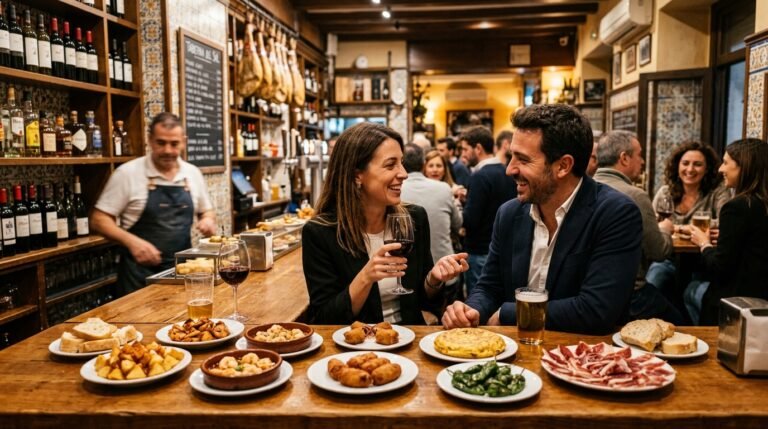
- Paella is a lunch dish, not dinner: Valencians *only* eat paella for Sunday lunch. If you see a restaurant serving paella at dinner, they’re usually just targeting tourists. For truly authentic paella valenciana, head to the beach districts of El Palmar (30 minutes south) or hit up the restaurants on Playa de la Malvarrosa, specifically at lunchtime on weekends.
- Horchata and fartons: You absolutely have to try tiger nut horchata at Horchatería Santa Catalina in the historic center. The fresh version (that’s horchata fresca, not the bottled stuff) served with those elongated fartons pastries for dipping? It’s one of Valencia’s true signature experiences, trust me.
- The Central Market lunch: Here’s a tip: grab some jamón, manchego cheese, pan con tomate ingredients, and a bottle of Valencian red wine from the market. Then, take it all to a bench in the nearby Jardines del Parterre and enjoy a fantastic picnic. Cost? Just €10-12 per person for what’s genuinely an excellent lunch.
- Agua de Valencia: Agua de Valencia is the city’s signature cocktail. It’s a delicious mix of orange juice (from Valencian oranges, naturally), cava, vodka, and gin. It was invented at Café Madrid back in 1959, so you know it’s got history. Make sure you order it in a shared jug!
Budget Breakdown: What Valencia Actually Costs in 2026
| Category | Budget | Mid-Range | Splurge |
|---|---|---|---|
| Accommodation/night | €20-35 (hostel) | €80-110 (3-star) | €160-250 (boutique/4-star) |
| Meals/day | €20-30 | €40-60 | €80-120 |
| Transport/day | €5 (metro/bus) | €8-12 | €20-30 (taxis) |
| Attractions/day | €5-10 (free + 1 paid) | €20-30 | €40-60 |
| Total/day | €50-80 | €150-210 | €300-460 |
According to Numbeo’s 2025 Cost of Living Index, Valencia is 35% cheaper than Barcelona for daily tourist expenses — which, when you think about it, is one of the largest cost differences you’ll find between two major Spanish cities. For a 7-day trip, that kind of difference could easily save a couple €400-600 — pretty significant, right?
When you’re ready to book accommodation, I’d suggest Booking.com; they’ve got the best range of options for every budget. And if you’re looking for guided tours of the City of Arts and Sciences, La Tomatina day trips, or even cooking classes, definitely check out GetYourGuide’s Valencia experiences. The paella cooking class, in particular, gets consistently fantastic reviews.
Practical Tips for Valencia 2026
- Getting there: Valencia Airport (VLC) offers direct flights from major European hubs like London, Paris, and Amsterdam. Plus, high-speed AVE trains link Valencia with Madrid in just 1h40 and Barcelona in 3h.
- Getting around: Getting around is a breeze. The Metro and EMT bus system cover the city really well (€1.50 per journey, or a day pass for €4). You can also use Valenbisi bike-sharing for €28 a week, which gives you unlimited 30-minute rides. And honestly, the old city is completely walkable, so bring comfy shoes!
- When to go: When’s the best time to go? March (for Las Fallas!), May, September, and October are all ideal. August gets hot (35°C+, seriously), but it’s a must if La Tomatina is your main goal.
- Language: You’ll hear both Spanish (Castilian) and Valencian (which is pretty similar to Catalan). Most tourist services, though, operate in Spanish and English.
- City Card: Consider grabbing a Valencia Tourist Card (24h €15 / 48h €20 / 72h €25). It covers unlimited public transport and snags you discounts on major attractions.
Need more Spain travel planning? We’ve got you covered. Check out our complete Spain travel tips guide, our detailed Spain travel cost breakdown, and the best time to visit Spain guide to help you nail down your travel dates. Or, if you’re thinking of a different Spanish destination, our Mallorca travel guide dives deep into the Balearics.
Related Spain Guides
Frequently Asked Questions
When is La Tomatina 2026?
La Tomatina 2026 takes place on Wednesday, August 26, 2026 in Buñol, Valencia. The tomato fight kicks off at 11am and lasts for exactly one hour. Seriously, buy your tickets months in advance via the official Buñol Town Hall website.
How do you get from Valencia to La Tomatina in Buñol?
Take the Cercanías commuter train from Valencia Estació del Nord to Buñol — 1 hour, ~€3.50 each way. On Tomatina day itself, special trains start running from 6am. You can also find organized bus tours from Valencia; these typically cost €65-80 and include transport and your ticket.
Is Valencia better than Barcelona for tourists?
For many travelers, yes. Valencia offers similar stunning architecture, but with way better, less crowded beaches, truly authentic paella, and it costs a solid 30-40% less than Barcelona for hotels and dining. So, for value, authenticity, and a more relaxed pace, it definitely wins.
What is Valencia famous for food-wise?
Valencia invented paella. The original recipe, by the way, uses chicken, rabbit, green beans, and white beans — *not* the seafood version you often see. The city’s also famous for its horchata (a tiger nut drink), fideuà (which is like a noodle paella), and of course, Agua de Valencia (that delicious orange juice cocktail).
How much does a trip to Valencia cost per day?
Budget travelers: €60-80/day. Mid-range travelers can expect €150-210/day, while a splurge trip will run you €300+/day. Overall, Valencia is a solid 35% cheaper than Barcelona, according to Numbeo’s 2025 data.
What is the best time to visit Valencia beyond La Tomatina?
March for Las Fallas (spectacular city-wide bonfires March 15-19). Spring (March-May) and autumn (September-November) are perfect for ideal temperatures. And, of course, summer’s great for beach weather and, if you’re into it, La Tomatina.